





























%201.svg)



































Win Customers After Checkout and Prevent Avoidable Chargebacks

Contracargos?
Ya no es problema tuyo.
Recupera cuatro veces más Contracargos y prevención , hasta un 90 % de las entradas, gracias a IA y a una red global de 20 000 comercios.


 Más de 600 opiniones


En resumen:
- The reassurance a customer gets right after checkout, not the checkout itself, decides whether they trust the purchase or start doubting it.
- 66% of online shoppers feel anxious at least sometimes after placing an order, per Narvar's 2025 State of Post-Purchase Report.
- IL Makiage, Nomad Goods, Yves Rocher, and Skims each design reassurance into the first email or post-purchase touchpoint, before doubt has a chance to grow.
- A reassured customer files a return or a question; an ignored one is more likely to dispute the charge with their bank instead.
- Not every post-checkout dispute is a service failure: some are friendly fraud, and need a distinct detection and evidence process.
Winning a customer after checkout means resolving the doubt they feel in the hours right after they buy, before that doubt turns into a return, a bank dispute, or a customer who never orders again. 66% of online shoppers feel anxious at least sometimes after placing an order, per Narvar's 2025 State of Post-Purchase Report, and that anxiety, not the checkout itself, is what decides whether a customer trusts the purchase or starts looking for a way out of it.
Quick answer: Customers are won or lost in the window right after checkout, not at it. Brands that proactively reassure customers about their choice, their delivery, and their fit reduce the doubt that would otherwise turn into a return request or, in the worst case, a chargeback filed instead of a support ticket.
Valentine's Day brands that prove post-purchase is where loyalty lives
Right after checkout is when customers decide how they really feel about a brand. Whether they trust it, feel confident about their decision, or get those buyer's remorse jitters.
The brands that win long-term loyalty are the ones that don't disappear after the order confirmation. They follow through. They are reassuring. They show customers they care once the transaction is done, which matters because a customer who feels supported files a return request. A customer who feels ignored is more likely to dispute the charge with their bank instead.
Here are four brands that prove loyalty, and dispute prevention, is built after the sale, not at it.
IL Makiage
Tranquilidad desde el momento de la compra
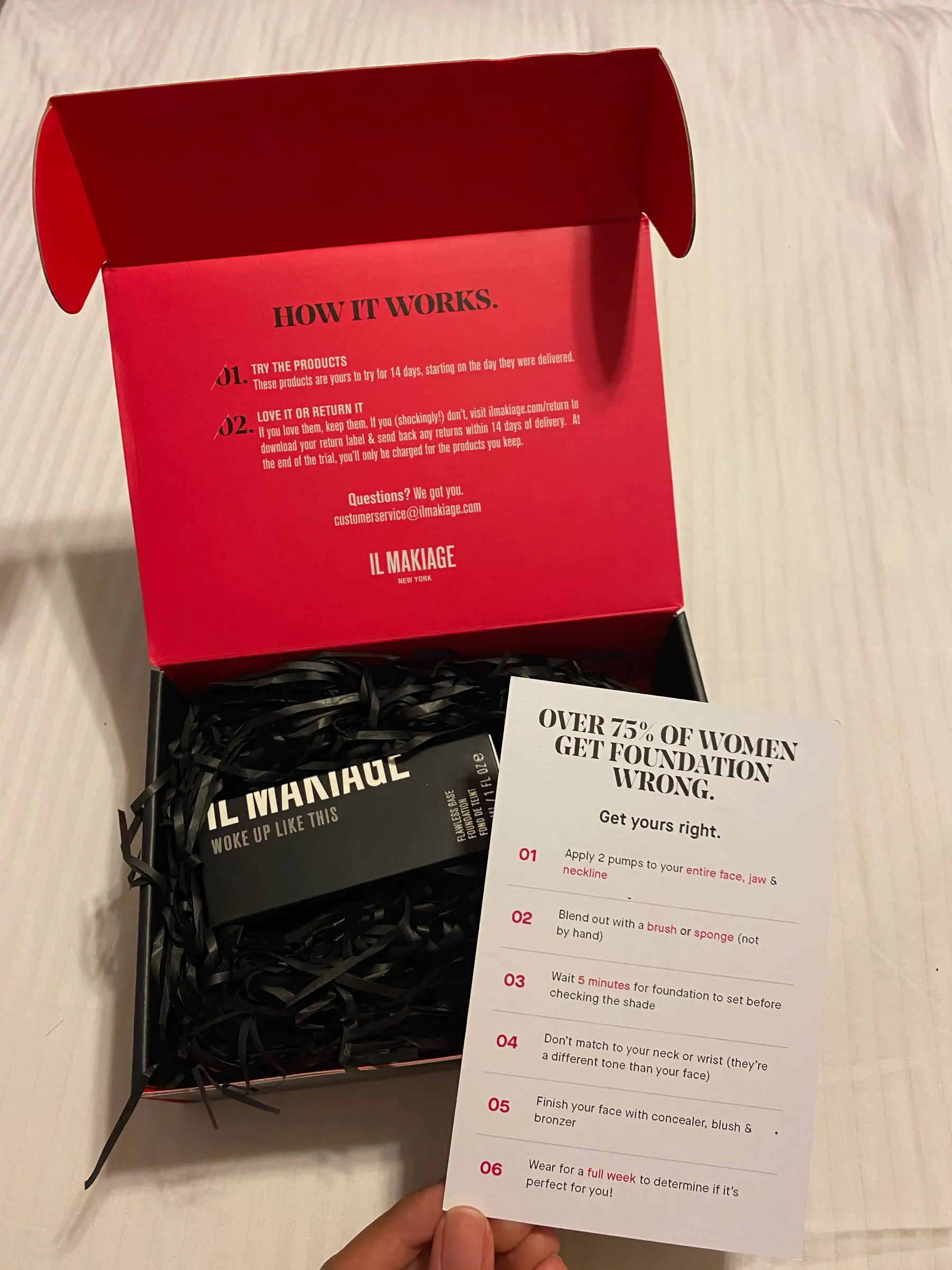
Comprar productos de belleza por Internet suele hacer que uno se lo piense dos veces. Una vez hecho el pedido, empiezan a surgir las dudas: ¿He elegido el tono adecuado? ¿Quedará tal y como me lo imaginaba?
IL Makiage diseña su experiencia pensando en ese momento.
Antes de realizar la compra, los clientes responden a un breve cuestionario para determinar el tono adecuado; una vez finalizada la compra, la marca les envía un mensaje de seguimiento en el que les recuerda por qué se eligió ese tono y qué pueden esperar del producto. El objetivo no es volver a venderles nada, sino tranquilizarles.
A partir de ahí, la experiencia sigue siendo flexible y se centra en el cliente:
- Una prueba de 14 días en casa que permite a los clientes probar el producto antes de comprometerse definitivamente.
- Devoluciones y cambios sencillos en línea a través de un portal específico con etiquetas de envío prepagadas.
- Suscripciones y opciones de control que permiten a los clientes gestionar o saltarse los envíos mensuales sin sorpresas.
- Un servicio de atención al cliente accesible y adaptado a cada región para cuando surjan dudas.
Esa tranquilidad no se limita al correo electrónico o al servicio de asistencia. Se extiende también a las redes sociales.
Pruebas sociales que refuerzan la confianza
El Instagram de IL Makiage está repleto de clientes reales y creadoras que se aplican el producto en tiempo real. Los vídeos «Get Ready With Me», las transformaciones «antes y después» y las reacciones sinceras muestran cómo queda la base de maquillaje en diferentes tipos de piel y edades.
Para los clientes que ya han completado la compra, este contenido sirve para confirmar la información. Establece expectativas realistas, responde a preguntas tácitas y transforma la incertidumbre en confianza.
Al publicar constantemente contenido generado por los usuarios y menciones de clientes, la marca convierte la prueba social en un apoyo tras la compra. Los clientes no solo oyen que han tomado la decisión correcta, sino que lo ven.
When brands show up after checkout with clarity, flexibility, and reassurance, customers feel supported rather than stuck. And that's how trust is built long after the payment goes through, and how a wrong-shade complaint stays a return instead of turning into an item-not-as-described dispute.
Artículos para nómadas
Cuando la calidad mejora con el tiempo
Los productos de alta gama no siempre mantienen su aspecto impecable durante mucho tiempo. El cuero se ablanda. Se oscurece. Se le quedan marcas. Para algunos clientes, ese cambio puede dar la sensación de que algo ha salido mal.
Nomad Goods prepara a los clientes para ese momento, antes de que la duda tenga tiempo de afianzarse.
Tras la compra, la marca explica a los clientes cómo está pensado que envejezca el cuero Horween. Lo que podría parecer desgaste se replantea como parte de su carácter. Lo que podría haber motivado una devolución se convierte en algo personal y esperado.
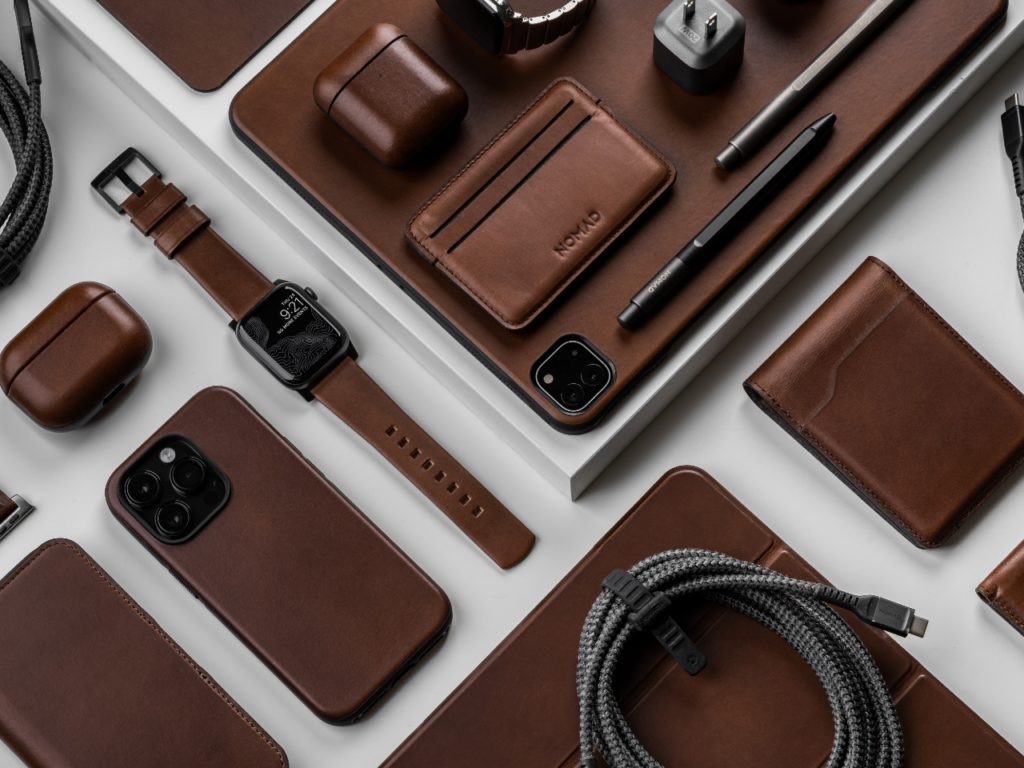
La asistencia continúa una vez que llega el producto:
- Las guías de configuración ayudan a los clientes a integrar su equipo sin problemas
- La educación sobre cuidados establece expectativas en torno al envejecimiento y al rendimiento
- El servicio de asistencia en garantía, de fácil acceso, garantiza que habrá ayuda disponible en caso de que sea necesaria
Nomad no promete la perfección. Promete productos que evolucionan contigo.
Al enseñar a los clientes a comprender los productos que han comprado, la marca sustituye la incertidumbre por la confianza.
That shift in mindset is what keeps loyalty growing long after checkout, and keeps a customer who notices normal wear from mistaking it for a defect and filing a not-as-described dispute.
Yves Rocher
Demostrar que la compra tuvo algún significado
Algunos clientes no solo compran productos de belleza. Apuestan por unos principios: ingredientes naturales, abastecimiento responsable y respeto por el planeta.
El riesgo tras la compra es bastante dudoso. ¿Mi compra ha respaldado realmente lo que afirma la marca? ¿O solo era marketing?
Yves Rocher no deja que esa duda persista.
Tras la venta, la marca sigue compartiendo información sobre sus compromisos medioambientales, sus prácticas de abastecimiento y sus programas de recarga. Los clientes no se quedan con la duda de si su compra se ajusta a sus valores. La marca mantiene esa conexión a la vista.
En lugar de promocionar la próxima oferta, Yves Rocher consolida la relación:
- Programas de recarga que reducen los residuos y prolongan la vida útil del producto
- Actualizaciones periódicas sobre los compromisos en materia de sostenibilidad
- Opciones de fidelización que permiten a los clientes apoyar iniciativas medioambientales
El mensaje es claro: tu compra ha sido importante.
Cuando las marcas siguen demostrando sus valores tras la compra, la fidelidad deja de ser solo un hábito. Se convierte en una conexión.
And alignment is what keeps customers coming back, confident enough in the purchase that a values question never turns into a refund demand.
Skims
Hacer que el ejercicio sea algo personal, no algo arriesgado
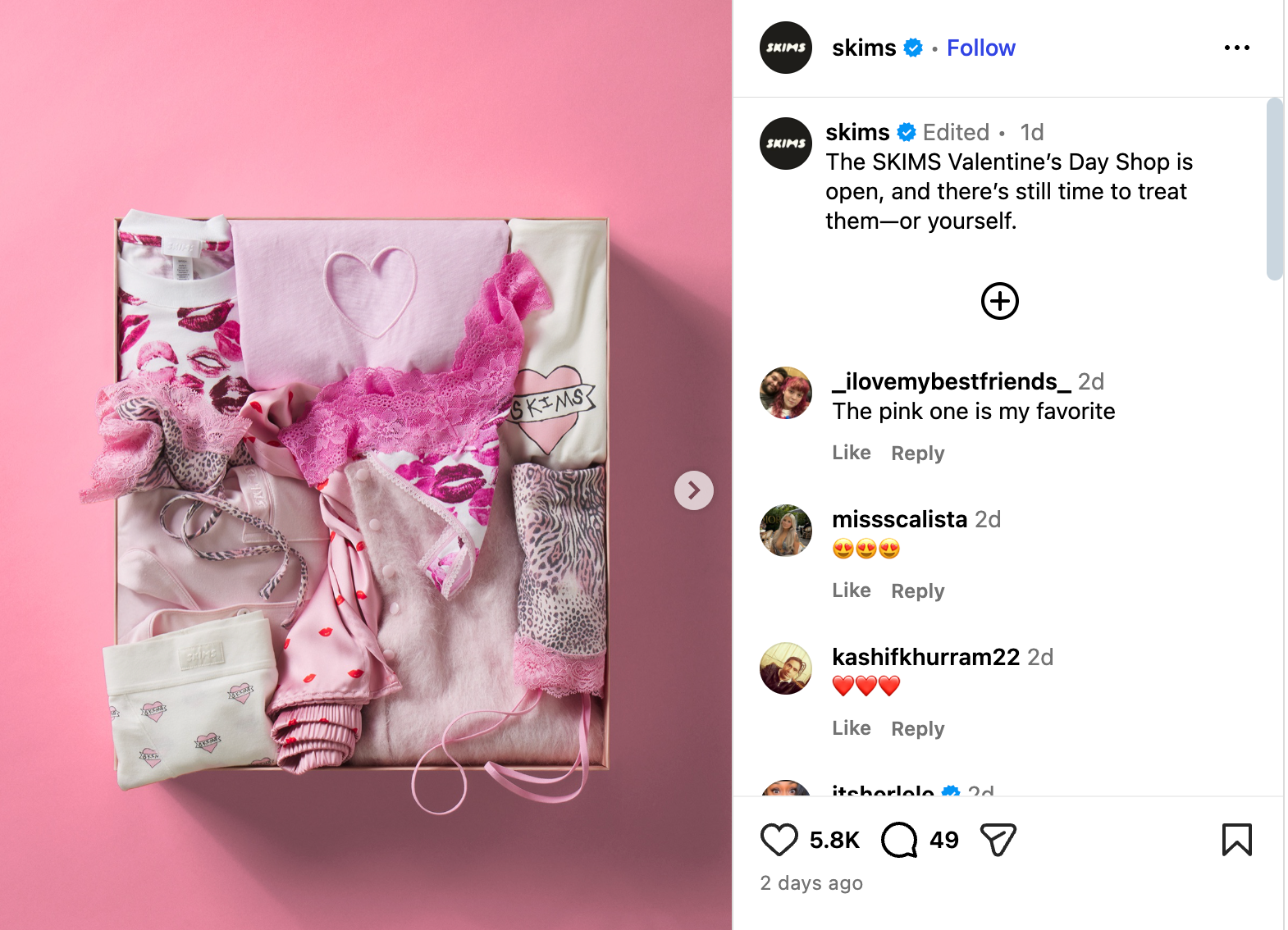
Comprar ropa moldeadora o ropa de estar por casa por Internet no es solo una cuestión de tallas. Es algo emocional. Los clientes no solo se preguntan si les quedará bien, sino también cómo se sentirán al llevarla puesta.
Esa vulnerabilidad suele manifestarse tras finalizar la compra.
Skims comprende esa indecisión. La experiencia postventa de la marca se basa en reducir el riesgo emocional de equivocarse.
Una vez realizado el pedido, la comunicación es clara y amable. Si la talla no es la adecuada, los cambios se realizan de forma sencilla y sin complicaciones. El proceso resulta sencillo, no engorroso.
La marca también refuerza la confianza a través de:
- Una guía clara sobre tallas y consejos sobre el ajuste que aclaran las expectativas desde el principio
- Imágenes inclusivas y modelos de diferentes complexiones, lo que refuerza la idea de que la compra se ha hecho pensando en ti
- Un proceso fluido de devoluciones y cambios que elimina el temor a quedarse con una talla incorrecta
En ningún momento la experiencia da la sensación de ser una apuesta arriesgada. No se presiona a los clientes para que «lo hagan funcionar». Se les ayuda a encontrar lo que mejor se adapta a sus necesidades.
| Marca | Doubt It Addresses | Dispute Type It Deflects |
|---|---|---|
| IL Makiage | Did I pick the right shade | Item-not-as-described |
| Artículos para nómadas | Is this wear or a defect | Item-not-as-described, defect disputes |
| Yves Rocher | Did my purchase match my values | Refund-related disputes driven by regret |
| Skims | Will this actually fit | Item-not-as-described, size-related returns |
Reassurance Is What Keeps a Customer From Disputing a Charge
Checkout is just the beginning. The brands above do not disappear after the payment clears. They remove doubt, reduce friction, and reinforce confidence at the exact moment a customer is deciding whether they made the right call.
That decision matters more than it looks. A customer who feels supported files a question or a return request. A customer who is left to wonder, about fit, about shade, about whether the brand's claims were even true, is the one more likely to file a chargeback instead of reaching out first. Reassurance is not a loyalty nicety bolted onto the post-purchase experience. It is the mechanism that decides which of those two paths a customer takes.
None of the four brands above run a large support team to pull this off. They design the reassurance into the first email, the first Instagram post, the first unboxing moment, so the reassurance is automated and consistent rather than dependent on an agent catching every doubtful customer individually. If you want to see how that automation works in practice, from receipts through refund-status updates, this breakdown of post-purchase automation touchpoints covers the mechanics, and these six brands winning on post-purchase support more broadly cover tactics beyond the checkout-doubt moment specifically.
For the ownership model, workflows, and metrics that turn this kind of reassurance into a repeatable system rather than a happy accident, see the full post-purchase dispute-prevention framework. And when a customer's doubt turns into a dispute anyway, despite good-faith reassurance, that is often friendly fraud rather than a service failure, which is a distinct problem with a distinct fix.
Automate what you can of this reassurance work using a support workflow that also captures dispute evidence, connect it to your payments team so support and payments data actually talk to each other, and pair it with chargeback alerts so the disputes that do get filed reach you before the response window closes. Layer on broader ecommerce fraud prevention for the abuse cases reassurance alone cannot fix, and, as more of the post-checkout journey is handled by automated agents rather than the customer directly, plan for AI agent chargeback liability and agentic commerce chargebacks.
Preguntas frecuentes
Why do customers feel anxious after checkout?
Most post-purchase anxiety comes from uncertainty: did I pick the right size or shade, will it arrive on time, does the product match what was promised. Narvar's 2025 State of Post-Purchase Report found 66% of online shoppers feel this anxiety at least sometimes, which is why proactive reassurance immediately after checkout has such an outsized effect on trust.
How does post-purchase reassurance reduce chargebacks?
A customer who is reassured, through a follow-up email, a clear return window, or transparent product education, brings a doubt or complaint to the brand's support channel. A customer who is left to wonder is more likely to resolve that doubt by disputing the charge with their bank instead, especially once enough time has passed that a return feels awkward.
What is the difference between a return and a chargeback in this context?
A return is the customer working within the process a brand already built. A chargeback is the customer going around that process, usually because they either did not know it existed, did not trust it, or found it too slow or unclear. Reassurance tactics are designed to keep the customer on the return path.
Do small or midsize brands need a big team to reassure customers this well?
No. Shade quizzes, aging-education emails, values updates, and fit guidance are content and workflow decisions, not headcount decisions. Automating the receipts, tracking, and follow-up messaging behind them delivers most of the same reassurance without hiring a large post-purchase team.
Is every post-checkout dispute actually a sign of a bad experience?
No. Some disputes are friendly fraud, a legitimate customer disputing a charge they could have resolved through a refund or return instead. Good reassurance and an easy resolution path reduce this too, but it is a distinct problem from a genuine service failure and needs its own detection and evidence process.
See how Chargeflow's automation platform turns this kind of post-checkout reassurance into dispute evidence without adding headcount.
Contracargos?
Ya no es problema tuyo.
Recupera cuatro veces más Contracargos y prevención , hasta un 90 % de las entradas, gracias a IA y a una red global de 20 000 comercios.


.png)
%20(1).webp)
.webp)
.webp)