





























%201.svg)




































Acabe com o “ Stripe ” e o “disputas ” em 2026: o guia oficial para o comércio eletrônico Lojistas

Chargebacks?
Não é mais problema seu.
Recupere 4 vezes mais chargebacks e PREVENÇÃO — até 90% dos e-mails recebidos —, com tecnologia de IA e uma rede global Rede de 20.000 Lojistas.


 Mais de 600 avaliações


Resumo:
- Resposta rápida: Não é possível impedir todos os Stripe Disputa , mas é possível Reduza reduzi-los significativamente respondendo a consultas como chargebacks, apresentando provas completas e convincentes rapidamente e mantendo sua Disputa-to-transaction ratio abaixo do limite de 0,75% de Stripe, considerado excessivodisputas .
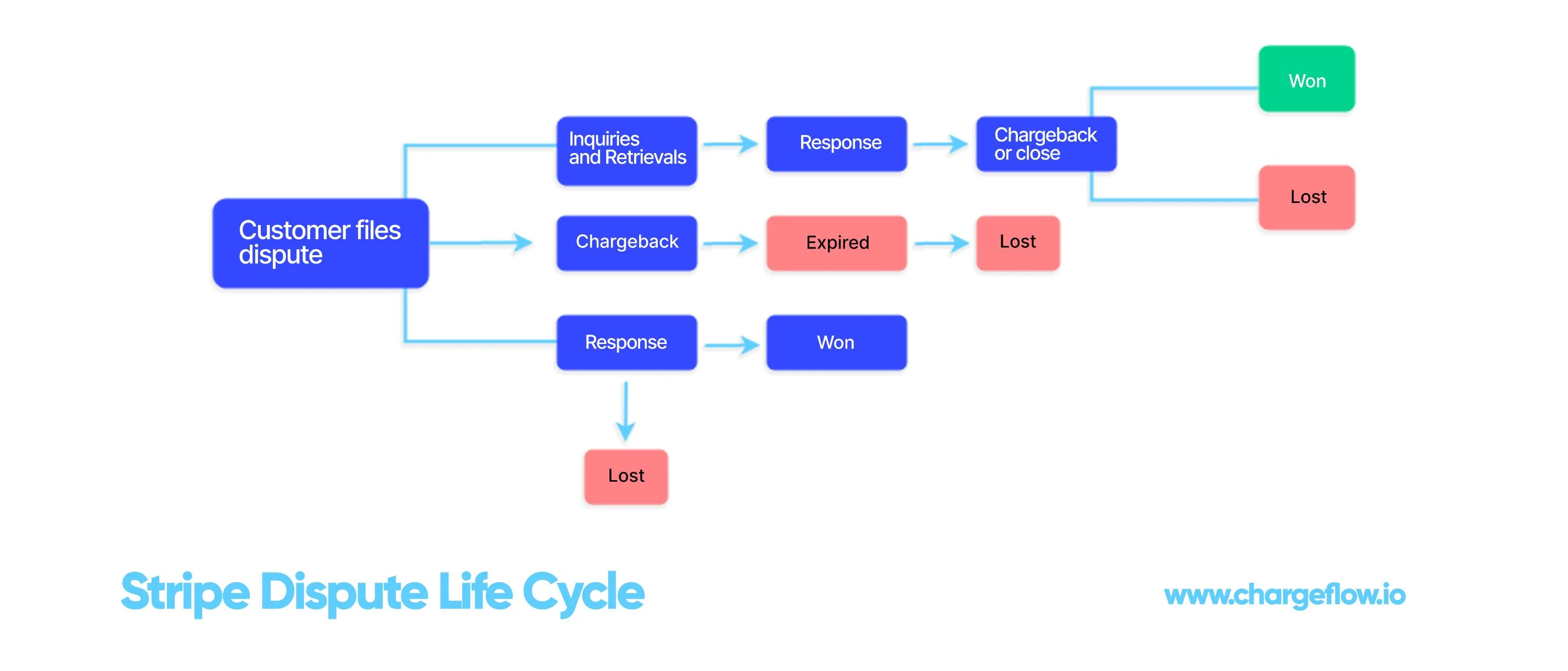
- Um pedido de reembolso no site Stripe Disputa passa pelas seguintes etapas: consulta/recuperação → chargeback (valores + taxa de aproximadamente US$ 15 retida) → análise do banco (60 a 75 dias) → resultado.
- Normalmente, você tem de 7 a 21 dias para responder a uma notificação de “ chargeback ”; se não cumprir esse prazo, perderá o processo por contumácia.
- A estratégia de prevenção mais eficaz combina descrições claras nas faturas, 3DS, regras antifraude e proteção automatizada contra o “chargeback ”, além de medidas de prevenção Alertas.
A orientação para a mitigação Stripe disputas é clara. Mas é preciso uma quantidade absurda de Horas e experiência no setor para pegar o jeito.
E como os padrões de fraude, as regras do setor e a dinâmica dos negócios estão em constante mudança, muitos empreendedores têm dificuldade em chegar a um consenso com as partes envolvidas em uma mediação d Disputa .
A mitigação do “ disputas ” é simplesmente exaustiva e cara.
É uma batalha difícil que deixa você com poucas ou nenhuma chance de sucesso. Portanto, se você é um desses empreendedores que não dispõe de ferramentas e estruturas para o reconhecimento de padrões e a análise de tendências, é fácil desistir, perplexo, e descartar o disputas como um risco comercial.
O problema é que o volume de receita que Lojistas perde para chargebacks continua disparando a cada ano. Mas não é só isso: redes de cartões como Stripe têm regras rigorosas em relação a chargebacks.
Para começar, você será classificado na categoria de “ disputas ” (transações com risco excessivo) se sua taxa de Disputa em relação às transações ultrapassar 0,75%. A atividade excessiva de Disputa afeta não apenas sua capacidade de processar pagamentos com a Stripe , mas também com outros processadores — e pode até resultar em multas por parte das redes de cartões.
Ter disputas representa uma ameaça à sobrevivência da sua empresa. Infelizmente, você não pode controlar se Stripe disputas ocorrerá ou não. O que você pode fazer, no entanto, é se munir de informações exclusivas para ganhar vantagem quando os clientes apresentarem uma Stripe Disputa .
Este artigo abordará três temas essenciais:
- Como funcionam os sites Stripe edisputas ?
- Termos importantes do Stripe e doDisputa que você deve conhecer.
- Como bloquear o Stripe disputas de forma eficaz.
Vamos começar compartilhando informações essenciais sobre o processo de Stripe Disputa .
Como funcionam os sites Stripe edisputas ?
Em primeiro lugar, uma contestação de transação ( Disputa ) ocorre quando um cliente apresenta uma reclamação ao emissor do cartão a respeito de uma determinada transação.
A administradora do cartão poderia começar fazendo uma consulta ou uma verificação. E, nesse sentido, ela deseja obter mais detalhes sobre o caso com você. Posteriormente, ela poderia encaminhar o caso para uma contestação de débito ( chargeback), revertendo assim o pagamento.
They will deduct the transaction amount from your merchant account, along with a non-negotiable $15.00 dispute fee (the amount might vary depending on your location). A dispute ratio that climbs too high can also trigger a Stripe payout hold while your account is reviewed, on top of the per-case fees.
Embora cada cartão Rede tenha regras específicas para a mediação disputas, o princípio é o mesmo.
No site Stripe disputas , são seguidos processos padronizados.
Primeiro, a Stripe analisa suas evidências e as encaminha aos seus parceiros financeiros. Se esses parceiros financeiros determinarem que suas evidências são suficientes e atendem aos requisitos da Stripe Disputa , eles compartilharão sua documentação com a emissora do cartão.
A operadora do cartão, por sua vez, avaliará a documentação e tomará uma decisão. Stripe essa decisão por meio do Stripe , dos webhooks e da API.
Em essência, Stripe atua como intermediário no processo Disputa , enquanto a administradora do cartão tem a palavra final sobre o resultado Stripe Disputa .
Stripe Disputa Visão geral do ciclo de vida
| Palco | O que acontece | Sua janela |
|---|---|---|
| Consulta / recuperação | O emissor solicita informações antes de uma verificação de crédito ( chargeback ; a Amex chama isso de “consulta”) | Responda ou reembolse para evitar a taxa do Disputa |
| Chargeback | Valor da transação + taxa de ~$15 retida; status no Disputa : “needs_response” | 7 a 21 dias para apresentar as provas |
| Análise bancária | Stripe suas provas ao emissor para que este tome uma decisão | O banco leva de 60 a 75 dias |
| Resultado | Ganhou (dinheiro devolvido) ou perdeu (chargeback , a taxa é retida) | Recurso possível em casos específicos |
Termos e etapas importantes do ciclo de vida do Stripe Disputa
1. Consultas e recuperações
Como observamos anteriormente, quando um cliente apresenta uma reclamação ( Stripe )Disputa, algumas operadoras de cartão começam por investigar a transação antes de prosseguir com uma contestação ( chargeback). Se for o caso.
Eles solicitarão mais informações sobre a cobrança. A American Express se refere a esse processo como “consultas”, mas a maioria das marcas de cartão se refere a elas como “recuperações”. A MasterCard e a Visa raramente fazem consultas. Elas criam uma “ chargeback ” imediatamente após um cliente registrar uma transação Disputa.
As solicitações de esclarecimento oferecem uma oportunidade para mitigar o “ Disputa ” antes que ele se transforme em um “ chargeback ” em toda a sua extensão. E, para isso, você deve enviar toda a documentação relevante sobre a transação ou reembolsar o pagamento integralmente. Reembolsar o cliente significa que você resolveu a solicitação de esclarecimento ou a reclamação. E o “ Stripe ” não cobrará nenhuma taxa de “ Disputa ”.
Mas você não apresenta provas convincentes para responder à investigação ou à solicitação de informações. Você certamente perderá o caso.
A regra geral é SEMPRE responder a consultas e solicitações de reembolso como se fossem chargebacks. E se empenhar para que o Disputa desapareça nessa fase. Às vezes, os clientes abrem Stripe disputas quando não reconhecem uma cobrança no cartão. Portanto, entre em contato com o cliente primeiro e esclareça a questão para que você possa fornecer a documentação adequada que responda à consulta da administradora do cartão de crédito. Se tudo correr bem, você também poderá solicitar a eles um Disputa .

2. Chargebacks
Suponha que a operadora do cartão decida que suas provas não atendem aos requisitos necessários para a anulação do Stripe Disputa , ou que opte por não realizar uma consulta ou recuperação. Nesse caso, ela passará diretamente à criação de um chargeback.
Eles irão deduzir compulsoriamente e reter o valor original da transação durante todo o período previsto em Stripe Disputa . Idealmente, a operadora do cartão Rede concederá a você de 7 a 21 dias a partir da data de criação do chargeback para apresentar provas suficientes.
Chargeback O prazo para resposta pode variar dependendo do cartão Rede, e se você não apresentar provas convincentes dentro desse prazo, perderá o processo por contumácia.
Mas, se você enviar a documentação conforme solicitado, a Stripe encaminhará os documentos ao banco do cliente, e o banco terá de 60 a 75 dias para tomar uma decisão. Caso opte por não recorrer, a decisão do banco será a etapa final do processo de “ Disputa ”.
Além disso, fique atento aos alertas de fraude da plataforma relativos a pedidos de alto risco para evitar que, no futuro, Stripe disputas isso possa comprometer suas metas de receita.
3. Valor contestado
De modo geral, o valor contestado corresponde ao valor da transação. Ou seja, o valor em dólares da transação contestada. No entanto, o site Stripe observa que o valor de uma “ Disputa ” (contestação de débito) frequentemente excede o valor original da cobrança. Essa discrepância, segundo o site, geralmente se deve à conversão de moeda. E também pode ocorrer quando o emissor do cartão agrupa várias cobranças em uma única “ chargeback ” (contestação de débito), o que é mais comum em cobranças regulares e recorrentes ou em várias cobranças de pequenos valores — geralmente inferiores a 50 dólares americanos.
Mas, em geral, eles reconvertem o valor contestado para a moeda original do pagamento, caso o sistema tenha convertido o pagamento em si para a moeda padrão da sua conta.
Stripe Recomendamos que, caso receba um Stripe Disputa com valor superior ao da cobrança original, você verifique todos os pagamentos efetuados à sua empresa pelo mesmo cliente ou cartão. Verifique também se mais de uma cobrança pode estar incluída no valor contestado. Caso não consiga determinar por que um Disputa apresenta valor superior ao da cobrança original, entre em contato com o atendimento ao cliente deles.
Melhores práticas para mitigação Stripe disputas
A maneira como você responde a qualquer Disputa determina o desfecho do caso. A abordagem mais eficaz combina respostas rápidas e bem fundamentadas com prevenção proativa — aliando descrições claras de cobrança e triagem de fraudes à proteção automatizada chargeback e à prevençãochargeback Alertas, de modo que muitas disputas sejam resolvidas antes mesmo de se tornarem chargebacks.
Observamos que o Stripe recebe uma notificação sobre o pagamento contestado quando ocorre um Disputa e envia a você um e-mail automático a respeito. Eles criarão um objeto Disputa com o status “needs_response”. Se você configurou sua integração para receber webhooks, o Stripe também envia um eventoDisputa.created.
Como prática recomendada, Stripe que os usuários respondam diretamente no Painel. Ele orienta você passo a passo pelo processo de envio, formatando automaticamente as informações fornecidas. Para concluir esse processo, serão solicitados os arquivos necessários relativos à compra.
A seguir, apresentamos algumas orientações essenciais que podem ajudá-lo a vencer no stripe chargebacks com facilidade.
Apresente evidências convincentes e seja conciso
Os clientes apresentam milhares de reclamações sobre o serviço de atendimento ao cliente ( disputas ) diariamente, o que mantém as operadoras de cartão ocupadas.
Portanto, evite detalhes desnecessários, introduções longas sobre seu produto ou empresa, reclamações sobre o cliente Disputa ou sobre a injustiça do Disputa. Em vez disso, vá direto ao ponto. Apresente os fatos sobre a compra original usando um tom neutro e profissional.
Faça a devida diligência; reserve um tempo para investigar o Disputa enquanto reúne as evidências a serem apresentadas. Por exemplo, consulte o Google Maps e o Street View para entender melhor o local de entrega ou verifique redes sociais como o Facebook ou o LinkedIn para ajudar a confirmar que o cliente é o titular legítimo do cartão.
As trocas de mensagens, como e-mails ou mensagens de texto com o cliente, não servem para verificar a identidade. Se for necessário incluí-las, certifique-se de enviar apenas as informações relevantes.
Apresente provas objetivas, profissionais e concisas. Embora apresentar poucas provas seja um problema, sobrecarregar a administradora do cartão com informações desnecessárias pode ter o mesmo efeito. Lembre-se de que as administradoras de cartão não acessam os links que você fornecer na resposta. Inclua uma captura de tela nítida dos seus termos ou políticas, tal como aparecem durante o processo de checkout ou no seu site, caso sejam parte essencial da sua defesa.
Inclua provas convincentes da autorização do cliente
As fraudes do tipo “ Stripe ”disputas constituem a maioria de todos os casos. Demonstrar que o titular do cartão tinha conhecimento e autorizou a transação, conforme Disputa , é fundamental para vencer o caso Stripe chargebacks . Quaisquer dados que comprovem isso são parte integrante de uma resposta eficaz, tais como:
- Correspondências do AVS (Sistema de Verificação de Endereço)
- Confirmações do CVC (Código de Verificação do Cartão)
- Recibos ou contratos assinados
- O endereço IP que corresponde ao endereço de cobrança verificado do titular do cartão
Stripe inclui os resultados do AVS/CVC e o endereço IP da compra (se disponível na sua Stripe ), mas, caso tenha qualquer outra prova de autorização, certifique-se de incluí-la.
Inclua comprovantes de que você prestou o serviço ou entregou o produto
Além de fraudes disputas, as reclamações dos titulares de cartão de que os produtos ou serviços nunca chegaram, estavam com defeito ou eram insatisfatórios, ou não correspondiam à descrição, são possíveis códigos de motivo Disputa . Vamos supor que o produto ou serviço estivesse em boas condições e tenha sido enviado e entregue antes da data Disputa ; nesse caso, você deve apresentar comprovante de uso ou entrega.
Se você vendeu um produto físico ao cliente, forneça um comprovante de envio e entrega que inclua o endereço de entrega completo, e não apenas a cidade e o CEP.
E se o seu cliente tiver fornecido um nome de “Destinatário” diferente do seu próprio (por exemplo, na compra de um presente), certifique-se de ter documentação explicando o motivo dessa diferença. Embora seja prática comum comprar e enviar para um endereço que não corresponda ao endereço de cobrança verificado do cartão, isso representa um risco adicional de “ Disputa ”.
Por outro lado, se você vendeu produtos digitais, apresente provas, como um endereço IP ou um registro do sistema, que comprovem que o cliente baixou o conteúdo ou utilizou seu software ou serviço.
Inclua uma cópia dos seus termos de serviço e da sua política de reembolso
Quando se trata de disputas, as letras miúdas fazem diferença. É fundamental comprovar que seu cliente concordou e compreendeu seus termos de serviço no momento da finalização da compra ou que não seguiu suas políticas relativas a devoluções ou reembolsos. Uma captura de tela nítida mostrando como seus termos de serviço ou outras políticas são apresentados durante a finalização da compra é um complemento essencial às suas provas — não basta incluir apenas uma cópia do texto desses documentos.
Ao enviar documentos ou imagens como prova, siga as recomendações a seguir para garantir que permaneçam legíveis:
- Use uma fonte de tamanho 12 ou maior.
- Use bold , legendas ou setas para chamar a atenção para informações relevantes.
- Evite usar destaque em cores.
Ao enviar capturas de tela:
- Recorte a captura de tela para a área de interesse e circule quaisquer elementos importantes (por exemplo, confirmação de entrega ou assinatura)
- Use os campos de texto do formulário de evidências “ Disputa ” para descrever o que a imagem contém e como ela corrobora sua resposta.
Fique atento. A Card Rede considerará qualquer texto ou dado ilegível que você enviar junto com sua resposta como incompleto e não analisado. O objetivo deve ser manter sua taxa de Stripe Disputa no mínimo possível.
Chargebacks?
Não é mais problema seu.
Recupere 4 vezes mais chargebacks e PREVENÇÃO — até 90% dos e-mails recebidos —, com tecnologia de IA e uma rede global Rede de 20.000 Lojistas.


.png)
.webp)
.webp)
.webp)