














%201.svg)


































Win Customers After Checkout and Prevent Avoidable Chargebacks

Chargebacks?
No longer your problem.
Recover 4x more chargebacks and prevent up to 90% of incoming ones, powered by AI and a global network of 20,000 merchants.


 600+ reviews


TL;DR:
- The reassurance a customer gets right after checkout, not the checkout itself, decides whether they trust the purchase or start doubting it.
- 66% of online shoppers feel anxious at least sometimes after placing an order, per Narvar's 2025 State of Post-Purchase Report.
- IL Makiage, Nomad Goods, Yves Rocher, and Skims each design reassurance into the first email or post-purchase touchpoint, before doubt has a chance to grow.
- A reassured customer files a return or a question; an ignored one is more likely to dispute the charge with their bank instead.
- Not every post-checkout dispute is a service failure: some are friendly fraud, and need a distinct detection and evidence process.
Winning a customer after checkout means resolving the doubt they feel in the hours right after they buy, before that doubt turns into a return, a bank dispute, or a customer who never orders again. 66% of online shoppers feel anxious at least sometimes after placing an order, per Narvar's 2025 State of Post-Purchase Report, and that anxiety, not the checkout itself, is what decides whether a customer trusts the purchase or starts looking for a way out of it.
Quick answer: Customers are won or lost in the window right after checkout, not at it. Brands that proactively reassure customers about their choice, their delivery, and their fit reduce the doubt that would otherwise turn into a return request or, in the worst case, a chargeback filed instead of a support ticket.
Valentine's Day brands that prove post-purchase is where loyalty lives
Right after checkout is when customers decide how they really feel about a brand. Whether they trust it, feel confident about their decision, or get those buyer's remorse jitters.
The brands that win long-term loyalty are the ones that don't disappear after the order confirmation. They follow through. They are reassuring. They show customers they care once the transaction is done, which matters because a customer who feels supported files a return request. A customer who feels ignored is more likely to dispute the charge with their bank instead.
Here are four brands that prove loyalty, and dispute prevention, is built after the sale, not at it.
IL Makiage
Reassurance That Starts After Checkout
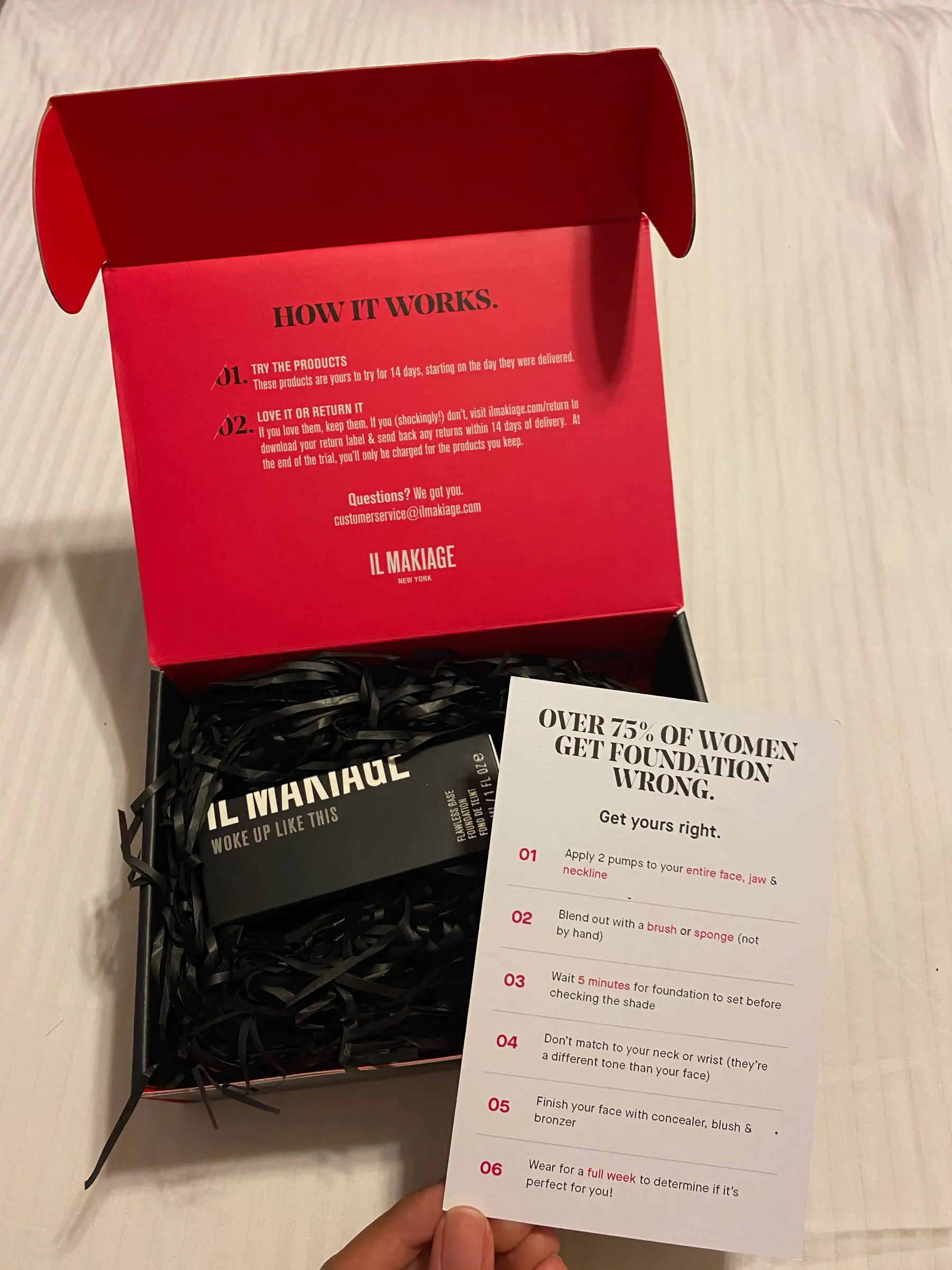
Buying beauty online often comes with a pause. Once the order is placed, questions start to creep in. Did I pick the right shade? Will it look the way I imagined?
IL Makiage designs its experience for that moment.
Customers begin with a short shade-matching quiz before purchasing, and after checkout, the brand follows up by reinforcing why that match was chosen and what to expect from the product. The goal isn’t to resell, but to reassure.
From there, the experience stays flexible and customer-first:
- A 14-day at-home trial that lets customers test the product before fully committing.
- Simple online returns and exchanges through a dedicated portal with prepaid shipping labels.
- Subscriptions and controls that allow customers to manage or skip monthly shipments without surprises.
- Accessible, region-specific customer support when questions come up.
That reassurance doesn’t stop with email or support. It extends into social.
Social Proof That Reinforces Confidence
IL Makiage’s Instagram is filled with real customers and creators applying the product in real time. “Get Ready With Me” videos, before-and-after transformations, and honest reactions show how the foundation looks on different skin types and ages.
For customers who’ve already checked out, this content acts as validation. It sets realistic expectations, answers unspoken questions, and replaces uncertainty with confidence.
By consistently featuring user-generated content and customer tags, the brand turns social proof into post-purchase support. Customers don’t just hear that they made the right choice. They see it.
When brands show up after checkout with clarity, flexibility, and reassurance, customers feel supported rather than stuck. And that's how trust is built long after the payment goes through, and how a wrong-shade complaint stays a return instead of turning into an item-not-as-described dispute.
Nomad Goods
When Quality Gets Better With Time
Premium products don’t always look perfect for long. Leather softens. It darkens. It picks up marks. For some customers, that shift can feel like something went wrong.
Nomad Goods prepares customers for that moment before doubt has a chance to grow.
After checkout, the brand educates customers on how Horween leather is meant to age. What might look like wear is reframed as character. What could have triggered a return becomes something personal and expected.
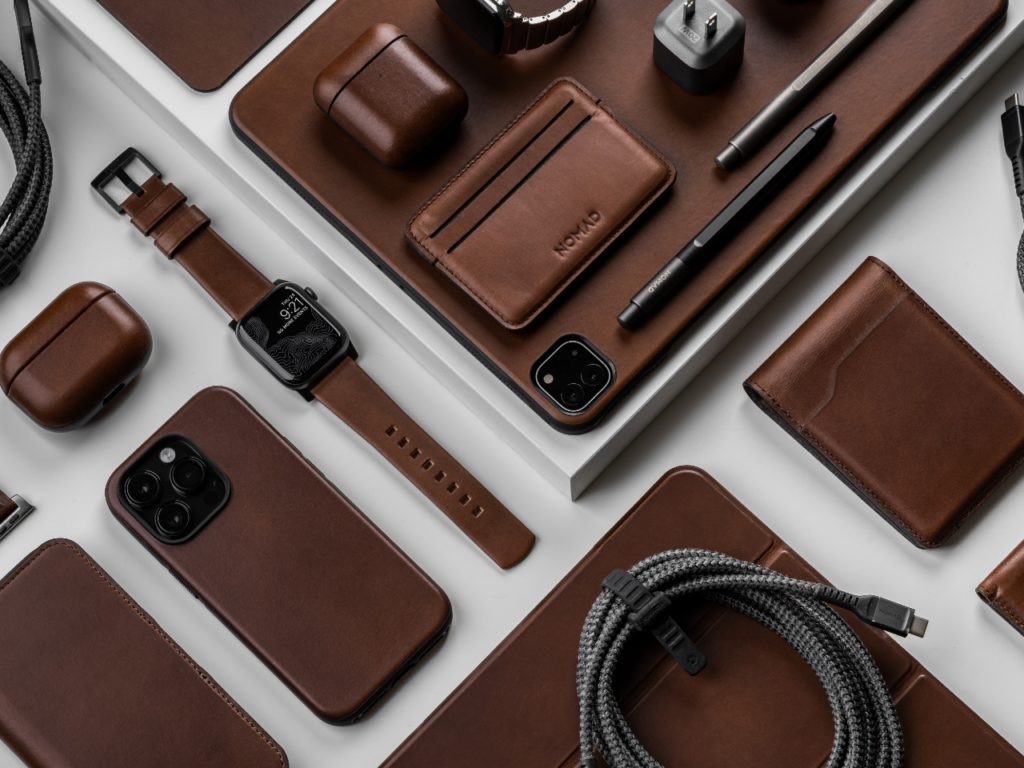
The support continues once the product arrives:
- Setup guides help customers integrate their gear seamlessly
- Care education sets expectations around aging and performance
- Accessible warranty support reinforces that help is there if needed
Nomad doesn’t promise perfection. It promises products that grow with you.
By teaching customers how to understand the products they bought, the brand replaces second-guessing with confidence.
That shift in mindset is what keeps loyalty growing long after checkout, and keeps a customer who notices normal wear from mistaking it for a defect and filing a not-as-described dispute.
Yves Rocher
Proving the Purchase Meant Something
Some customers don’t just buy beauty products. They buy into principles. Natural ingredients. Responsible sourcing. Respect for the planet.
The risk after checkout is quite doubtful. Did my purchase actually support what the brand claims? Or was that just marketing?
Yves Rocher doesn’t let that doubt linger.
After the sale, the brand continues sharing updates about its environmental commitments, sourcing practices, and refill programs. Customers aren’t left wondering whether their purchase aligned with their values. The brand keeps that connection visible.
Instead of pushing the next promotion, Yves Rocher extends the relationship:
- Refill programs that reduce waste and extend product life
- Ongoing updates around sustainability commitments
- Loyalty options that allow customers to support environmental initiatives
The message is clear: your purchase mattered.
When brands continue proving their values after checkout, loyalty becomes more than habit. It becomes alignment.
And alignment is what keeps customers coming back, confident enough in the purchase that a values question never turns into a refund demand.
Skims
Making Fit Feel Personal, Not Risky
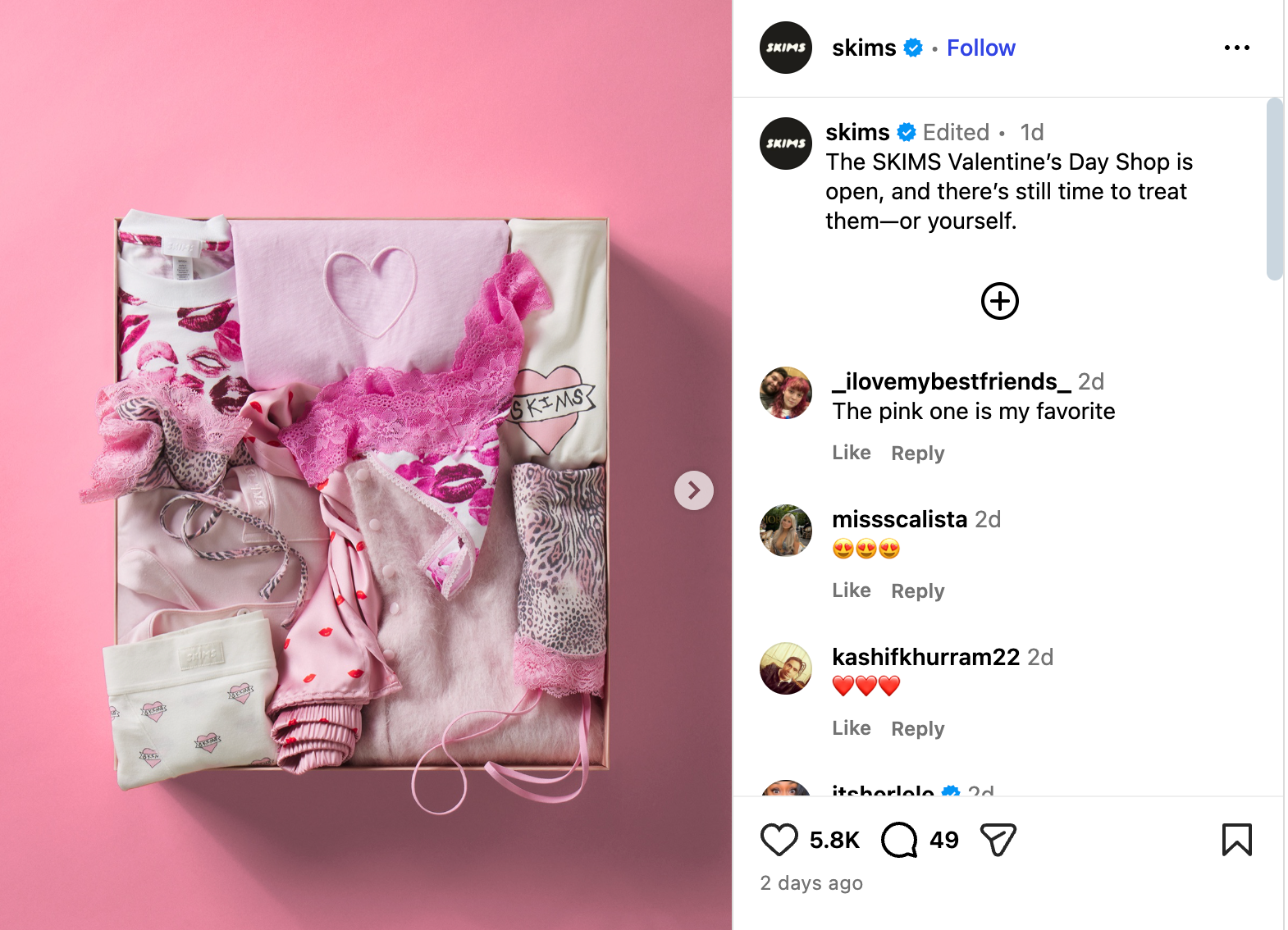
Buying shapewear or loungewear online isn’t just a sizing decision. It’s emotional. Customers aren’t only wondering if it will fit. They’re wondering how they’ll feel in it.
That vulnerability often surfaces after checkout.
Skims understands that hesitation. The brand’s post-purchase experience is built around reducing the emotional risk of getting it wrong.
Once an order is placed, communication stays clear and supportive. If sizing isn’t quite right, exchanges are straightforward and friction-free. The process feels simple, not punitive.
The brand also reinforces confidence through:
- Clear sizing guidance and fit education that sets expectations upfront
- Inclusive visuals and customer representation across body types, reinforcing that the purchase was made for you
- Smooth return and exchange flows that remove the fear of being stuck with the wrong size
Nothing about the experience feels like a gamble. Customers aren’t pressured to “make it work.” They’re supported in finding what works for them.
| Brand | Doubt It Addresses | Dispute Type It Deflects |
|---|---|---|
| IL Makiage | Did I pick the right shade | Item-not-as-described |
| Nomad Goods | Is this wear or a defect | Item-not-as-described, defect disputes |
| Yves Rocher | Did my purchase match my values | Refund-related disputes driven by regret |
| Skims | Will this actually fit | Item-not-as-described, size-related returns |
Reassurance Is What Keeps a Customer From Disputing a Charge
Checkout is just the beginning. The brands above do not disappear after the payment clears. They remove doubt, reduce friction, and reinforce confidence at the exact moment a customer is deciding whether they made the right call.
That decision matters more than it looks. A customer who feels supported files a question or a return request. A customer who is left to wonder, about fit, about shade, about whether the brand's claims were even true, is the one more likely to file a chargeback instead of reaching out first. Reassurance is not a loyalty nicety bolted onto the post-purchase experience. It is the mechanism that decides which of those two paths a customer takes.
None of the four brands above run a large support team to pull this off. They design the reassurance into the first email, the first Instagram post, the first unboxing moment, so the reassurance is automated and consistent rather than dependent on an agent catching every doubtful customer individually. If you want to see how that automation works in practice, from receipts through refund-status updates, this breakdown of post-purchase automation touchpoints covers the mechanics, and these six brands winning on post-purchase support more broadly cover tactics beyond the checkout-doubt moment specifically.
For the ownership model, workflows, and metrics that turn this kind of reassurance into a repeatable system rather than a happy accident, see the full post-purchase dispute-prevention framework. And when a customer's doubt turns into a dispute anyway, despite good-faith reassurance, that is often friendly fraud rather than a service failure, which is a distinct problem with a distinct fix.
Automate what you can of this reassurance work using a support workflow that also captures dispute evidence, connect it to your payments team so support and payments data actually talk to each other, and pair it with chargeback alerts so the disputes that do get filed reach you before the response window closes. Layer on broader ecommerce fraud prevention for the abuse cases reassurance alone cannot fix, and, as more of the post-checkout journey is handled by automated agents rather than the customer directly, plan for AI agent chargeback liability and agentic commerce chargebacks.
Frequently Asked Questions
Why do customers feel anxious after checkout?
Most post-purchase anxiety comes from uncertainty: did I pick the right size or shade, will it arrive on time, does the product match what was promised. Narvar's 2025 State of Post-Purchase Report found 66% of online shoppers feel this anxiety at least sometimes, which is why proactive reassurance immediately after checkout has such an outsized effect on trust.
How does post-purchase reassurance reduce chargebacks?
A customer who is reassured, through a follow-up email, a clear return window, or transparent product education, brings a doubt or complaint to the brand's support channel. A customer who is left to wonder is more likely to resolve that doubt by disputing the charge with their bank instead, especially once enough time has passed that a return feels awkward.
What is the difference between a return and a chargeback in this context?
A return is the customer working within the process a brand already built. A chargeback is the customer going around that process, usually because they either did not know it existed, did not trust it, or found it too slow or unclear. Reassurance tactics are designed to keep the customer on the return path.
Do small or midsize brands need a big team to reassure customers this well?
No. Shade quizzes, aging-education emails, values updates, and fit guidance are content and workflow decisions, not headcount decisions. Automating the receipts, tracking, and follow-up messaging behind them delivers most of the same reassurance without hiring a large post-purchase team.
Is every post-checkout dispute actually a sign of a bad experience?
No. Some disputes are friendly fraud, a legitimate customer disputing a charge they could have resolved through a refund or return instead. Good reassurance and an easy resolution path reduce this too, but it is a distinct problem from a genuine service failure and needs its own detection and evidence process.
See how Chargeflow's automation platform turns this kind of post-checkout reassurance into dispute evidence without adding headcount.
Chargebacks?
No longer your problem.
Recover 4x more chargebacks and prevent up to 90% of incoming ones, powered by AI and a global network of 20,000 merchants.


.png)
%20(1).webp)
.webp)
.webp)